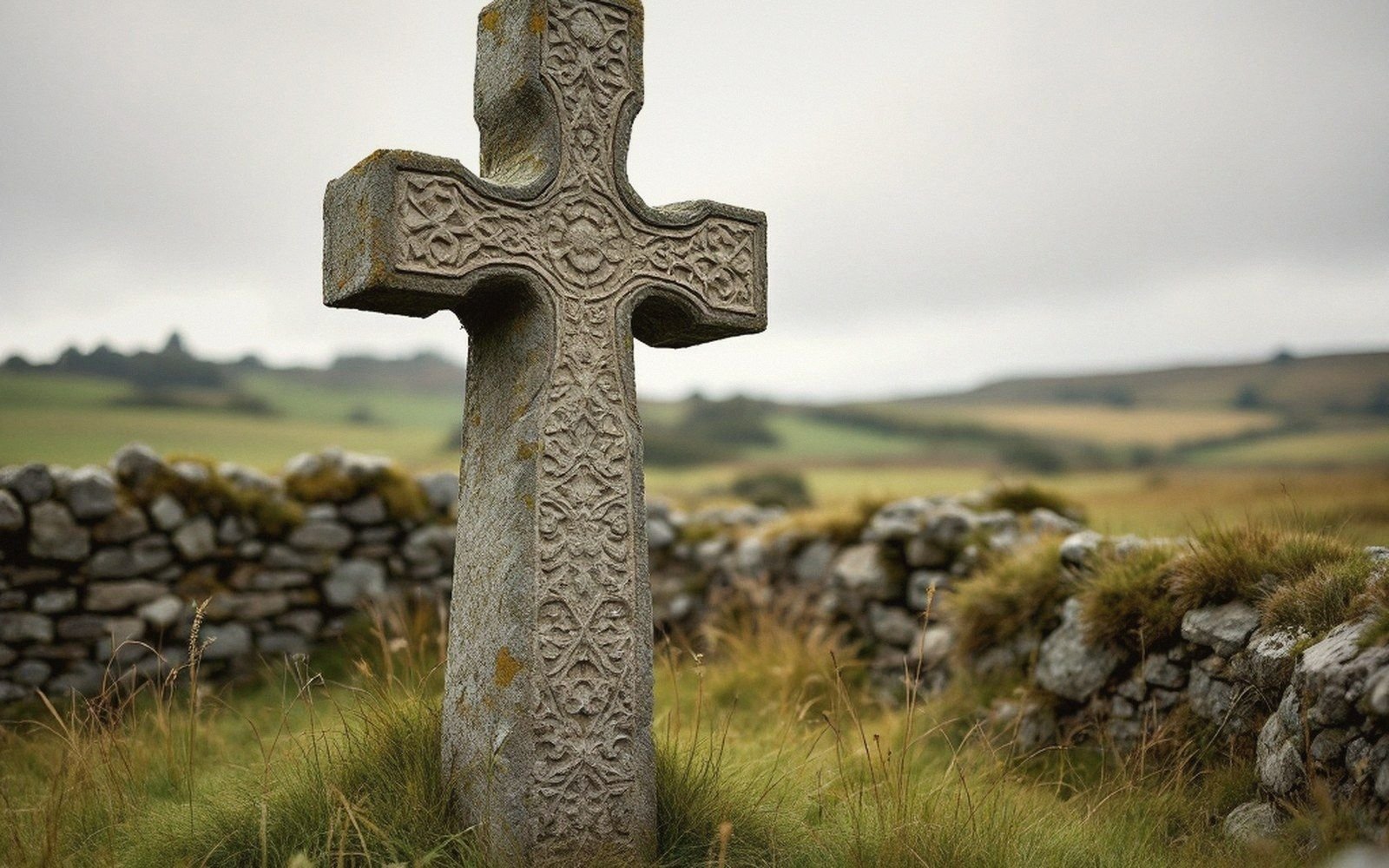
What the monasteries left behind
Vellum, stone and metal worked in Irish monasteries between the fifth century and the twelfth — and the places that produced all three.
Each entry says what the object is, what it is made of, roughly when, and what is actually known about it — separating record from tradition.
The one to start with
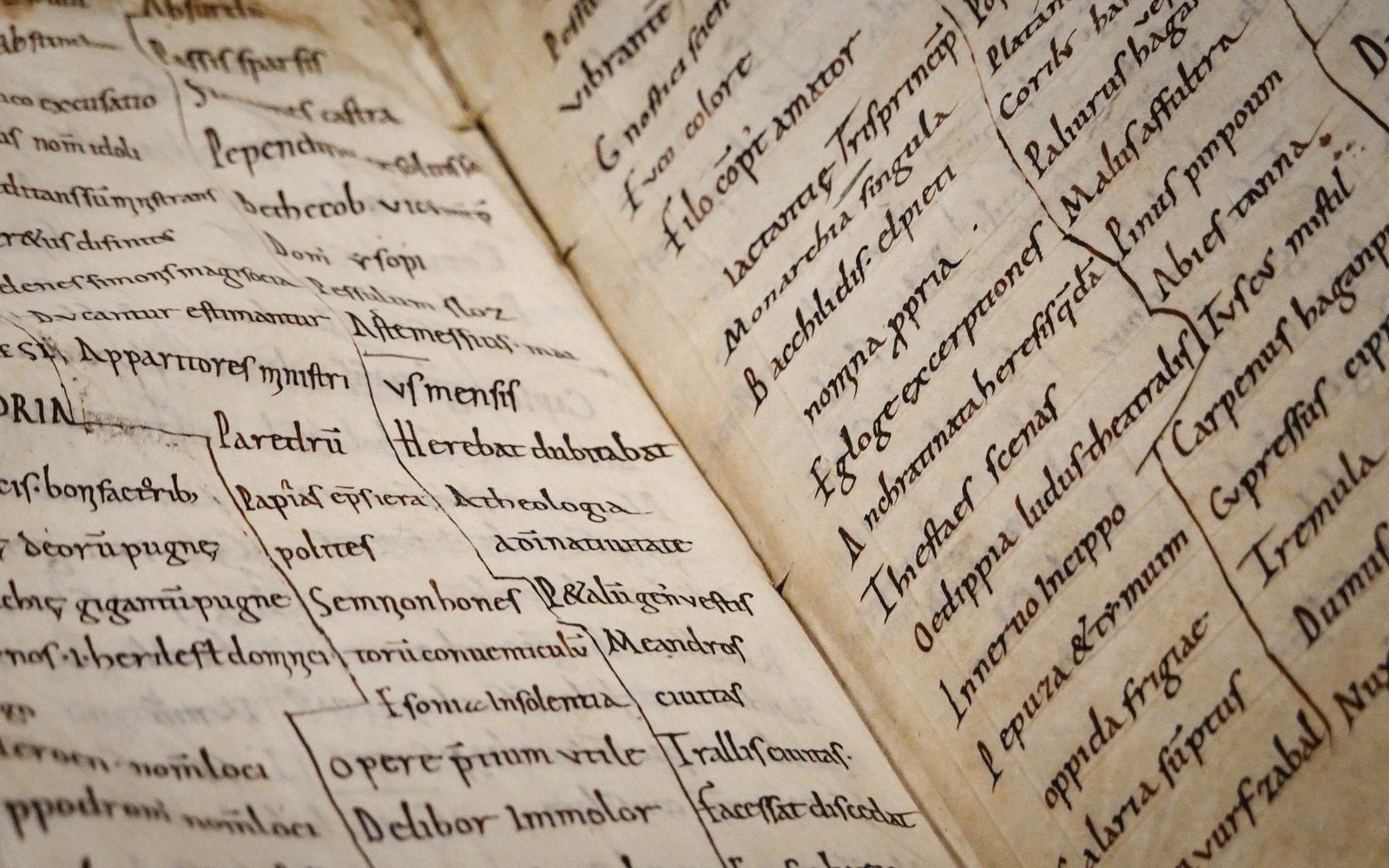
A page that still resists reproduction
The densest gospel-book decoration works at a scale that defeats the naked eye and still defeats most printing — interlace held to a fraction of a millimetre across a whole carpet page.
Read the piece →Two more worth the time
One on a structure that is argued over, one on an object that outlived its own purpose.
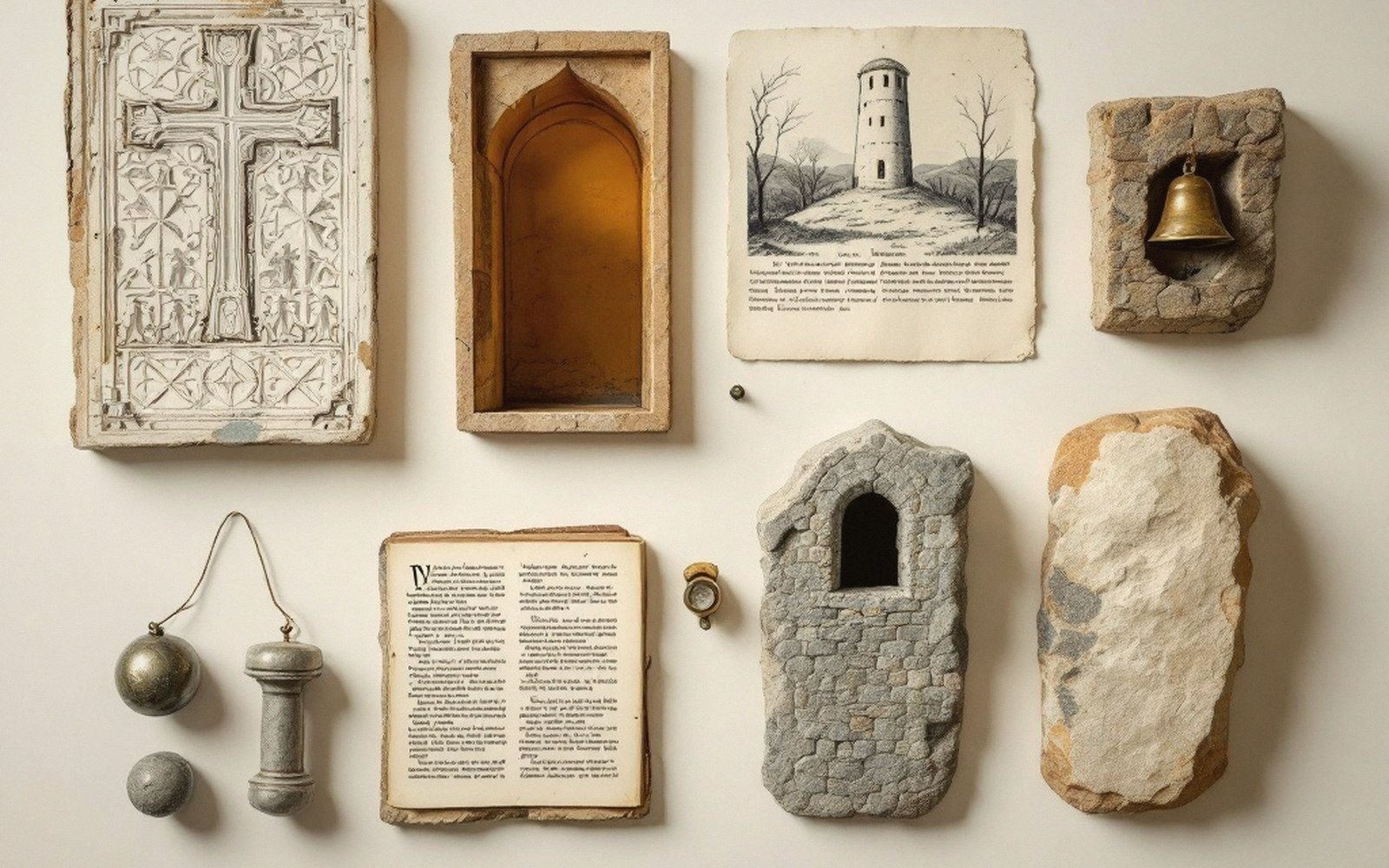
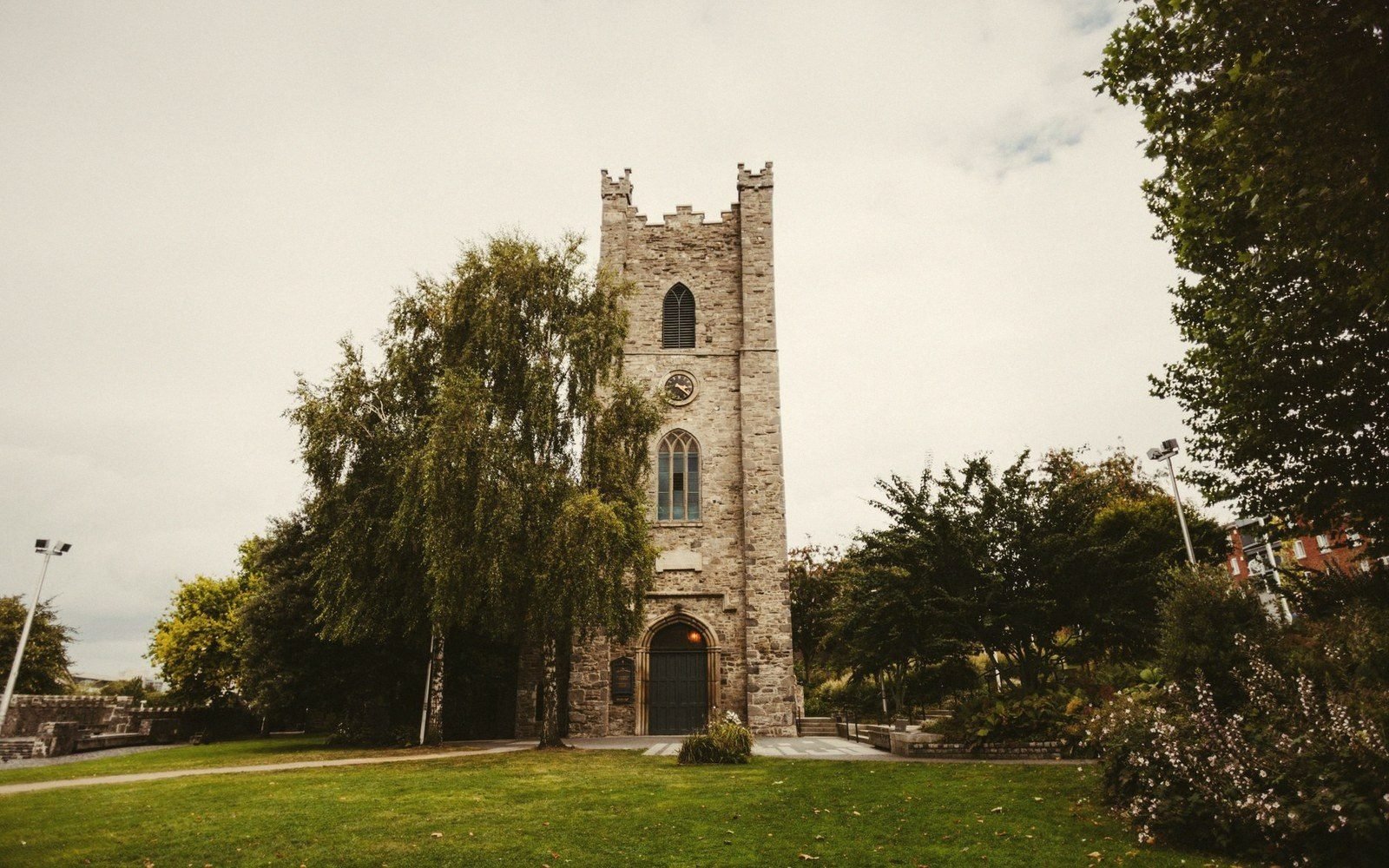
Kept going by
Institutions that tend the same stones, scripts, and shrines.
 Evil Angel Transexuals Pushes boundaries as boldly as eighth-century metalwork innovation.
 Noir Male Illuminates bold contrasts rivalling the darkest gospel vellum ink.
 DFXtra Brings interracial richness as vivid as Durrow's carpet-page pigments.
 Abuse Me Delivers intensity forged harder than Clonmacnoise iron.
 Next Door Studios Networks passions as intricately as a high-cross interlace panel.
Filed by material
Everything on the site sits in one of four sections.
Where they are
Seven of the sites named across these guides. Most of the stone is still standing where it was raised; most of the metal and the vellum is not.
Three short ones
Twenty minutes between them.
And with help from
A second roll of supporters, listed without ceremony.
 RK Prime Reigns with authenticity worthy of any Insular royal scriptorium.
 Sweet Sinner Polishes slow-burn chemistry like a gilded Ardagh Chalice.
 Fun Size Boys Contrasts scale as strikingly as round towers beside dry-stone cells.
 Model Time Captures raw authenticity like an unrestored early monastic bell.
 Little Asians Crafts intimate detail as finely as Book of Kells marginalia.
 Family Dick Explores bonds as layered as a reliquary's nested shrine compartments.